Packing & Unpacking
Multi-layer packing with quality material — and full unpacking on arrival.
See detailsDriving your car 1,400 km to a new city adds a service due, toll bills, two hotel nights and real risk. Putting it on a carrier costs less than people assume.
We move cars and two-wheelers on the same corridors as our household trucks, on every major intercity lane. Hatchbacks, sedans, SUVs, superbikes, scooters; for each one the process is identical and documented, because a vehicle is usually the second most expensive thing a family owns.
Before your vehicle is loaded, we walk around it with you — photos from all sides, odometer reading, fuel level, existing scratches noted on a signed condition sheet. At delivery, the same sheet comes out and the same walk-around happens. That sheet is your protection and ours: no arguments, no "it was already like that". Ask any transporter for this document; if they don't have one, that tells you something.
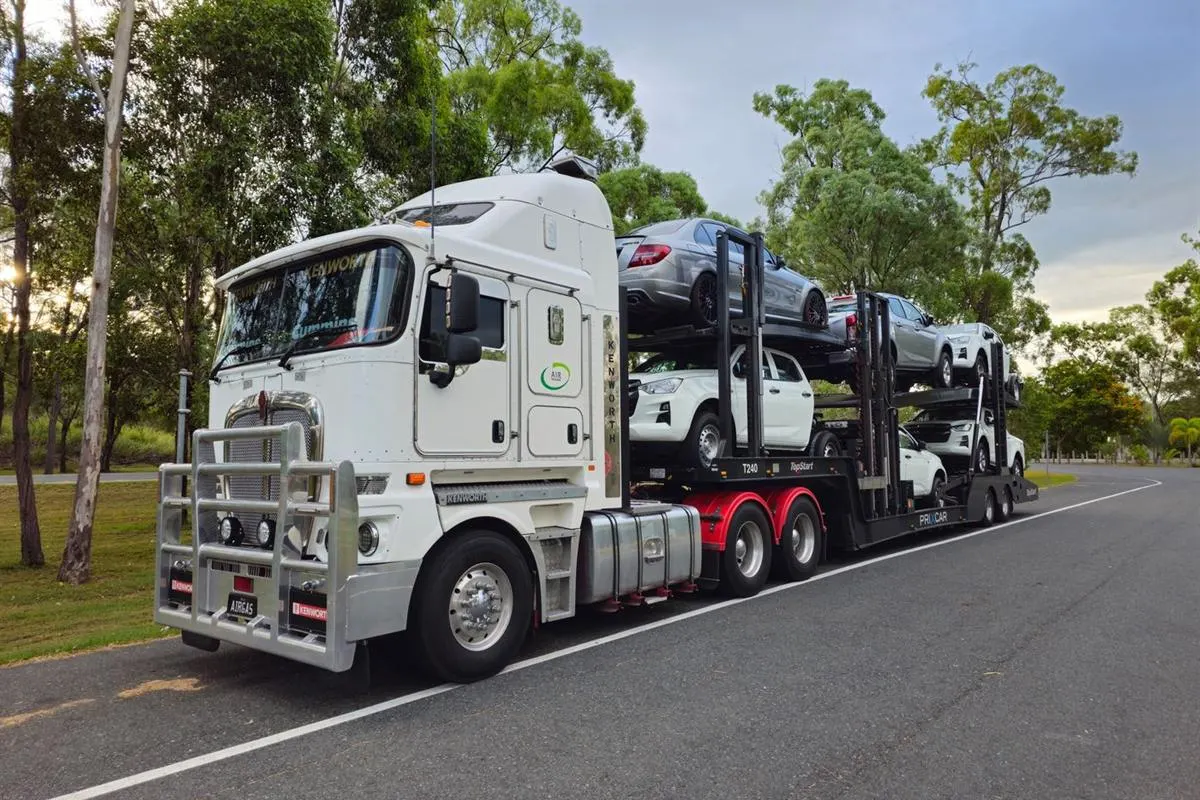
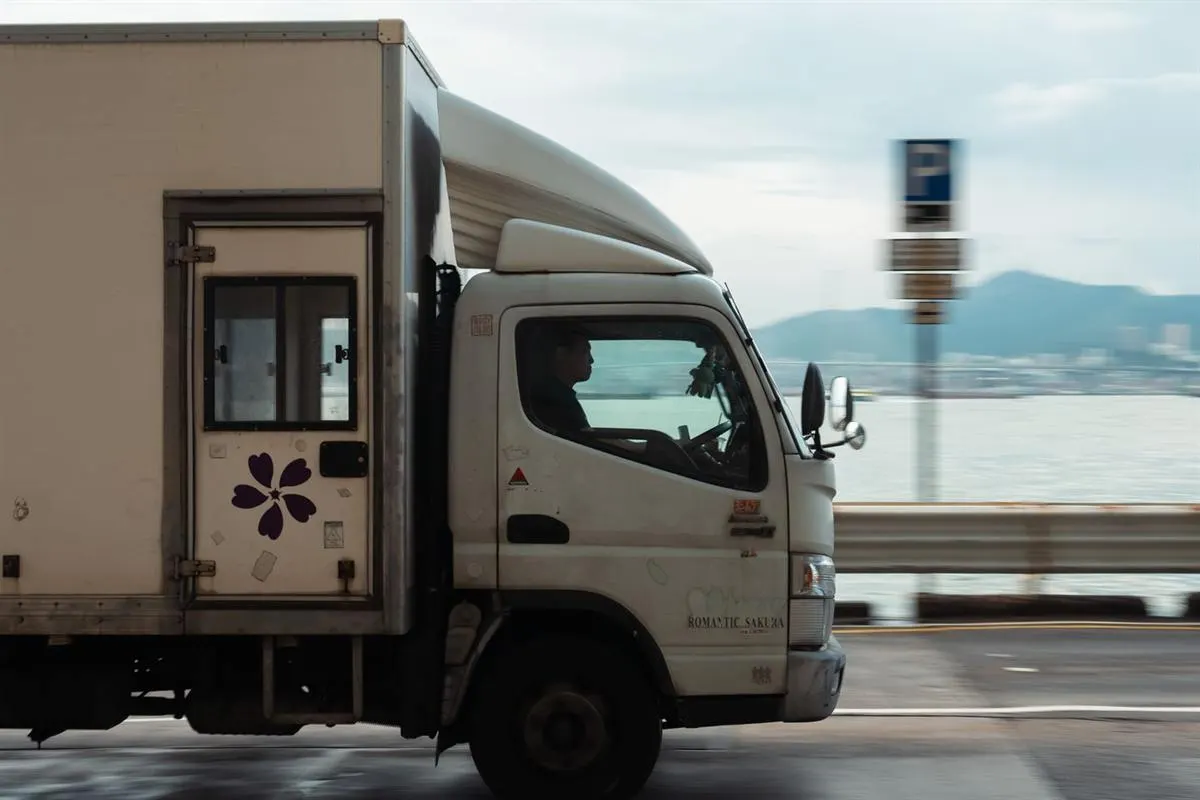
A long metro-to-metro lane typically runs 4–6 days for cars on shared carriers, faster on enclosed dedicated containers. Pricing moves with the vehicle type, the route, open vs enclosed carrier, and season — carrier space tightens around festivals and month-ends, so book a week or more ahead when you can. A bike costs far less than people expect, which is why sending the Activa to Noida — or any city — along with the household is one of our most common bookings.
Shifting the house too? Club the vehicle into the same move — one supervisor, one insurance file, one bill. Details on the household side are on our domestic shifting page, and if timing doesn't line up, short-term storage can hold the household while the car travels.
Pricing moves on five levers: vehicle type (a superbike and a Santro need different cradles), route (corridor lanes beat odd routes), open versus enclosed carrier, insurance value, and door-service feasibility at both ends. Bikes cost far less than owners fear — often less than two railway parcel misadventures — and cars price fairly against the true cost of driving: fuel, tolls, hotels, fatigue and a service due on arrival. The quote lists carrier type, transit window, insurance and both-end handling as separate lines. If someone quotes one magic number with "sab included, sir" — ask which carrier type. The pause tells you everything.
Also Useful
Multi-layer packing with quality material — and full unpacking on arrival.
See detailsTrained crew with proper equipment for safe loading and unloading.
See detailsClean, secure short and long-term storage for household goods.
See detailsCommon Questions
Statistically, much safer. On a carrier the car adds zero kilometres, faces no traffic and carries no fatigue-driven risk. The realistic risks — loading and strapping errors — are exactly what the condition report, wheel strapping and experienced loading crew are there to eliminate.
Cars travel best at about a quarter tank — enough to drive on and off the carrier, light enough for transport rules. Bikes are drained to reserve. We remind you of this at booking so there are no surprises at pickup.
Carriers price and insure the vehicle, not contents, so we advise keeping the car empty — loose items can shift, damage interiors and complicate insurance. If you have boxes to send, they travel properly packed in the household consignment where they are insured.
Copies of the RC and vehicle insurance travel with the carrier; you keep the originals. For interstate moves we guide you on anything route-specific. The condition report and our booking note complete the file — we prepare both, you just sign.
Wherever a carrier can legally and physically reach, yes. Some residential lanes and gated societies restrict large carriers; in those cases we complete the last stretch with a smaller vehicle or a driver, agreed with you in advance — never a surprise "come collect it from the highway".
Share a few details and our team will call you back within 30 minutes — 8 am to 9 pm, all days.